Why Injuries Matter More Than You Think
Not all injuries are created equal especially when there’s money on the line. A team missing its star quarterback? That’ll move the point spread fast. A backup lineman tweaking his ankle? The odds might not budge an inch. Oddsmakers know this, and sharp bettors do too.
The betting difference comes down to impact. Key player absences (think: top tier QB, WR1, shutdown corner) can swing lines by several points. Sportsbooks adjust rapidly and often aggressively. On the flip side, minor injuries or low impact players don’t shift much unless the market overreacts.
That’s where public bias kicks in. A big name player gets ruled out, and casual bettors panic. Suddenly everyone’s pounding the other side, assuming it’s a lock. But sometimes books don’t blink. Why? Because they already baked in the risk or they know the backup’s decent and the public is just chasing headlines.
Sharp bettors look for those moments: when the line moves more than the injury deserves or not at all when maybe it should’ve. Understanding the difference between real impact and overreaction is how value gets found in a noisy market.
Reading the Line Movement
Injuries aren’t just headlines they’re market movers. Understanding how sportsbooks react to injury updates can give bettors a crucial edge.
How Sportsbooks Adjust After Injury Reports
Sportsbooks don’t just react to injury reports they anticipate them. Depending on the perceived impact of a player, bookmakers may:
Shift the point spread immediately after an official injury update
Subtly tighten or loosen totals (over/unders)
Delay line changes until confirmation, especially with game time decisions
The reaction isn’t always proportional. Sometimes, injuries to key players result in minimal line movement because the market already priced in the possibility. Other times, a lesser known injury quietly shifts odds behind the scenes.
Early Line Shifts: What to Watch
Sharp bettors monitor early, subtle changes that can tip off insider info or anticipated announcements. Keep an eye out for:
Sudden point spread movement within 24 48 hours pre game
Over/under adjustments without major public news
Market momentum clustering around specific outcomes (often a sign sharps are reacting to info not yet public)
Often it’s not the first move but the follow up momentum that signals real injury impact.
Rule of Thumb: Who Matters More Than When
Not all injuries are created equal. A backup quarterback going down won’t move the needle like a starting offensive tackle protecting the blindside.
Star quarterbacks and defensive leaders = immediate market response
Skilled positions and line depth = context dependent, often underpriced
Timing of injury news (early week vs. game time) often matters less than the player’s true value to the spread
Understanding the actual football impact not just name recognition is key to reading the market right.
Key Strategies for Bettors
Injuries force bettors to think on their feet. A star quarterback going down isn’t just headline news it completely reshapes the value of a line. But the sharp bettors don’t overreact. They reassess value based on matchups, team structure, and betting timing.
When you hear the injury news matters. If you’re betting before a public injury announcement, you may find soft lines and catch the edge before the books fully adjust. Post line change? The market’s baked in the injury, and you need to dig deeper for overlooked variables like how strong the backup is, or whether the team leans heavier on the run game.
Context is king. Does the team have depth in that position? Have they adapted well to missing starters before? Is the coach known for conservative adjustments, or aggressive mid game rebounds? Look at recent game films, tempo changes, and play calling trends. That’s where you’ll spot the patterns.
In game bets become prime territory when big players go down mid match. The spread might lag behind the reality on the field. React fast, but not blind check where the injury happened, how the defense adjusts, and what kind of substitutions come into play. Smart bettors plan for in game pivots the moment they place a pre game wager.
Injury Reports: What to Look For
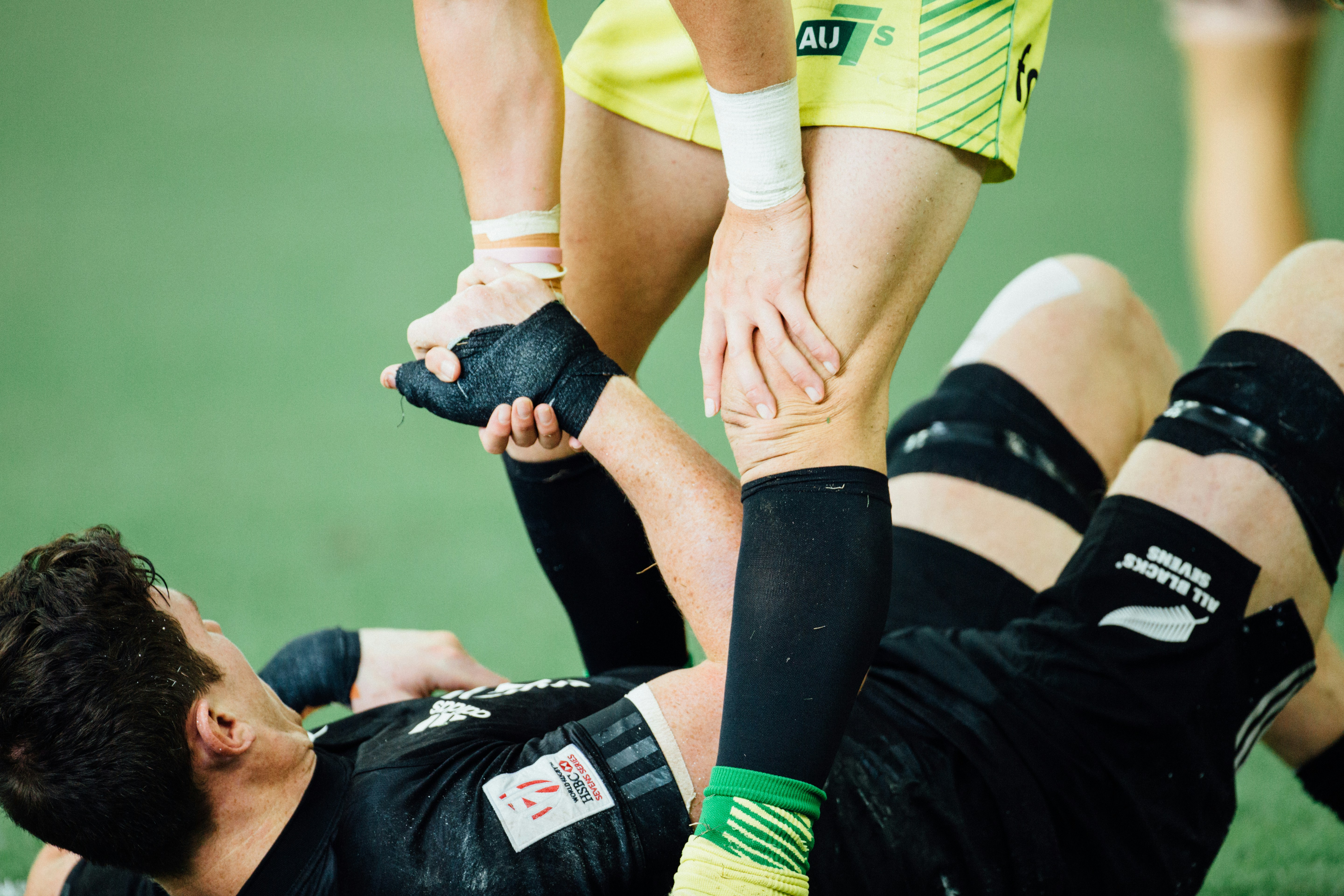
Not all injury news is created equal. “Questionable” doesn’t mean the same thing as “probable” and if you’re betting like it does, you’re already behind. Probable usually means the player is expected to suit up, even if not operating at 100%. Questionable? That’s murkier. It could mean limited reps, playing decoy, or a late scratch. Understanding this difference can be the line between a smart play and a wasted ticket.
Don’t rely on social media or second hand takes. Follow verified team reports, watch for official injury designations, and tune into pressers if you can. Coaches often tip their hand if you’re listening closely. Even phrasing like “we’ll see how he progresses” can signal uncertainty.
Your best intel source? Local beat reporters. They’re boots on the ground, dialed in, and often two steps ahead of national outlets. Set notifications for them, skim practice reports, and track when key injuries are discussed in depth. Sharps already do this you should too.
Position Impact: Not All Injuries Are Equal
Where Injuries Hit Hardest
Football isn’t just about star quarterbacks though their absence often grabs headlines and shifts odds dramatically. But understanding the betting impact of injuries by position can give you a sharper edge. Here’s how different roles influence the market:
Quarterbacks (QBs)
The most impactful position in terms of line movement
Injuries to starting QBs can shift spreads by 3 to 7 points, depending on the talent gap with the backup
Often leads to immediate public and sharp reaction, especially in high profile games
Offensive and Defensive Linemen
Often overlooked but play a critical role in both run and pass games
Injuries to multiple linemen can quietly alter offensive rhythm and protection, influencing total points and sack props
More likely to affect the game script than the action on the spread
Defensive Backs (DBs)
Key in pass heavy matchups or against elite receivers
Injuries here might not move the line dramatically, but can shift totals and player prop values
Smart bettors watch DB status when evaluating wide receiver props and touchdown markets
The Quiet Power of Second Tier Players
Not all injury impact shows up in headlines, but that doesn’t mean it doesn’t show up in the odds. Second tier players like a team’s WR3, nickel corner, or inside linebacker don’t often move lines, but they shape outcomes subtly.
Cluster injuries in one position group (e.g., three banged up linebackers) can quietly erode team efficiency
Backup players thrust into starting roles may struggle in key matchups, especially against elite opponents
Sportsbooks may not immediately adjust for these changes, giving sharp bettors a brief edge
Key Takeaway:
Success in football betting comes from reading beneath the surface. Star players move lines, but second tier injuries especially in volume can swing results in ways that only the most attentive bettors will spot.
Real World Examples
Sometimes, an injury is more than a scratch on the lineup it’s the domino that knocks over the betting board. Take the 2022 Cardinals Rams playoff game. When left tackle Andrew Whitworth was ruled out late in the week, sharp bettors jumped on the Cardinals’ defensive front to dominate and they did. The Rams’ pass protection crumbled and what had been a 4.5 point spread turned into a true coin toss.
Or think back to Week 13 of the 2023 season: Chargers vs. Broncos. Line held steady all week until reports surfaced of a lingering but downplayed ankle injury to Justin Herbert. Denver’s moneyline was +190 midweek. When Herbert left in the second quarter and didn’t return, the Broncos cashed comfortably.
These aren’t just war stories they’re reminders. Injury updates aren’t always front page news, but they do shift probability. Gamblers who scan past the headlines and dig into local reports, practice reps, or coach interviews can catch angles sportsbooks haven’t fully priced in.
More tips and in depth analysis: injuries betting impact
Staying Sharp in Fast Moving Markets
Sportsbooks don’t sleep, especially when injury news breaks. Your edge is often how fast you get information and what you do with it. Smart bettors use injury alert services, beat reporter tweets, real time odds trackers, and push notifications from trusted apps. If you aren’t already using tools like FantasyLabs’ news feeds or DonBest for market movement, you’re trailing the line.
But tools only get you so far. Discipline is the real muscle. When a star player gets scratched minutes before kickoff, it’s tempting to chase a bet or double down. Don’t. Step back, reassess, and treat every shift like a new game not a lost one. Chasing emotionally is how bankrolls die.
Speaking of bankrolls: treat volatility like weather. You don’t control it, but you prepare for it. Late breaking injury chaos? That’s why you stake conservatively on games with high uncertainty, and why you size your bets relative to how solid your info really is. Don’t try to beat randomness just manage it.
For a deeper dive into these strategies, check out how player injuries affect betting.
 Thomas Macrossan is a key contributor to Play Daily Win Big, bringing his deep expertise in the betting and gaming sectors to the forefront. His thorough understanding of market dynamics and sharp analytical skills are reflected in his well-researched articles, which offer readers valuable insights into industry trends, strategic advice, and regulatory updates. Thomas’s writing is designed to keep the content both relevant and engaging, ensuring that readers are well-informed about the latest developments in the gaming world.